
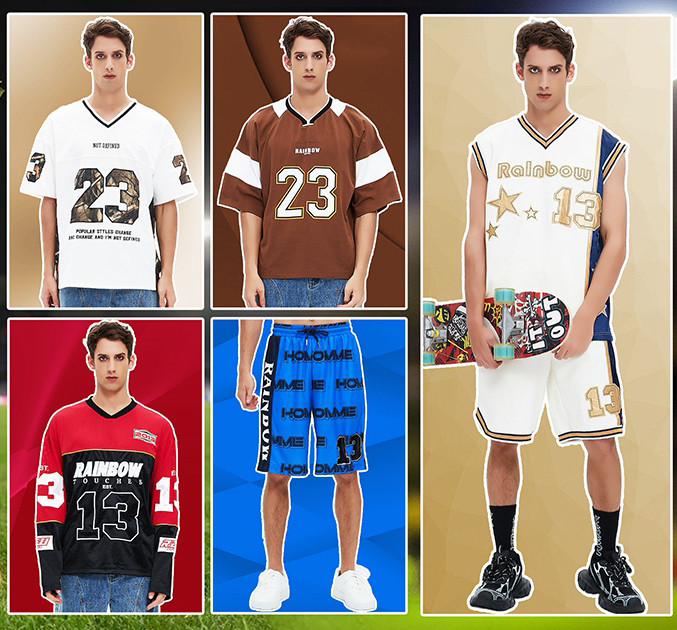
How to Choose the Right Streetwear Manufacturer In China for Your Brand
As the global streetwear market continues its immense growth, projected to surge past $637 billion by 2032, many brands are strategically turning towards China, the world's undisputed apparel manufacturing hub, to meet their production needs. This move is driven by China's unique combination of massive production capacity, innovative design capabilities, and highly agile supply chains.
Finding the ideal Streetwear Manufacturer In China is a pivotal decision for any brand, as it directly impacts the quality, authenticity, and market appeal of its collections. A partnership with the right factory goes beyond simple production; it influences a garment's fit, fabric feel, and the durability of its construction. This guide is crafted to provide a comprehensive roadmap, helping you navigate the complexities of the Chinese manufacturing landscape and make an informed choice that will empower your brand for long-term success.
Key Takeaways
- Manufacturing in China Offers a Competitive Edge: China's dominance in apparel manufacturing is built on a complete supply chain, advanced production technologies, and the ability to handle complex customizations, from heavyweight fabrics to intricate printing techniques. This ecosystem allows brands to achieve a superior price-to-quality ratio.
- Expertise is Non-Negotiable: A premier streetwear manufacturer must possess deep knowledge of the culture, including specific fabrics, oversized fits, and advanced finishing processes that define the aesthetic. Their ability to execute details like durable seam work and precise graphic application is what separates premium garments from mass-market apparel.
- Due Diligence is Crucial: Before committing to a partnership, a thorough evaluation is essential. This includes conducting a detailed tech pack review, ordering and inspecting sealed samples, verifying fabric quality, and scrutinizing the manufacturer's quality control processes.
- Production Hubs are Specialized: Different cities in China excel in specific areas. Dongguan is a capital for heavyweight streetwear, Guangzhou leads in fabric innovation and logistics, and Hangzhou is an emerging center for quality and e-commerce efficiency. Aligning your product needs with a region's specialty can significantly improve outcomes.
- Communication and Transparency are Key: Effective collaboration hinges on clear, timely communication. Partner with manufacturers who have fluent English-speaking teams and transparent processes, as this will mitigate risks and ensure your vision is executed accurately.
Why Collaborating with a Streetwear Manufacturer In China Elevates Your Brand
Choosing to manufacture in China is no longer just a cost-saving measure; it's a strategic move to access an ecosystem that is at the forefront of apparel innovation and production excellence. For streetwear brands, which rely heavily on nuanced details and material quality, Chinese manufacturers offer a unique blend of traditional craftsmanship and cutting-edge technology that can significantly elevate a brand's final product. Their deep-rooted experience in producing for global fashion leaders has created a highly skilled workforce and a sophisticated supply chain that can handle the most demanding specifications.
Unmatched Expertise in Streetwear Aesthetics and Production
Decades of experience producing for top global brands have endowed Chinese manufacturers with a profound understanding of streetwear's unique DNA. This expertise isn't just about sewing garments; it's about mastering the specific elements that give streetwear its cultural resonance and premium feel. They have honed their skills in everything from fabric selection to the subtle art of garment finishing, ensuring that every piece aligns with the brand's creative vision.
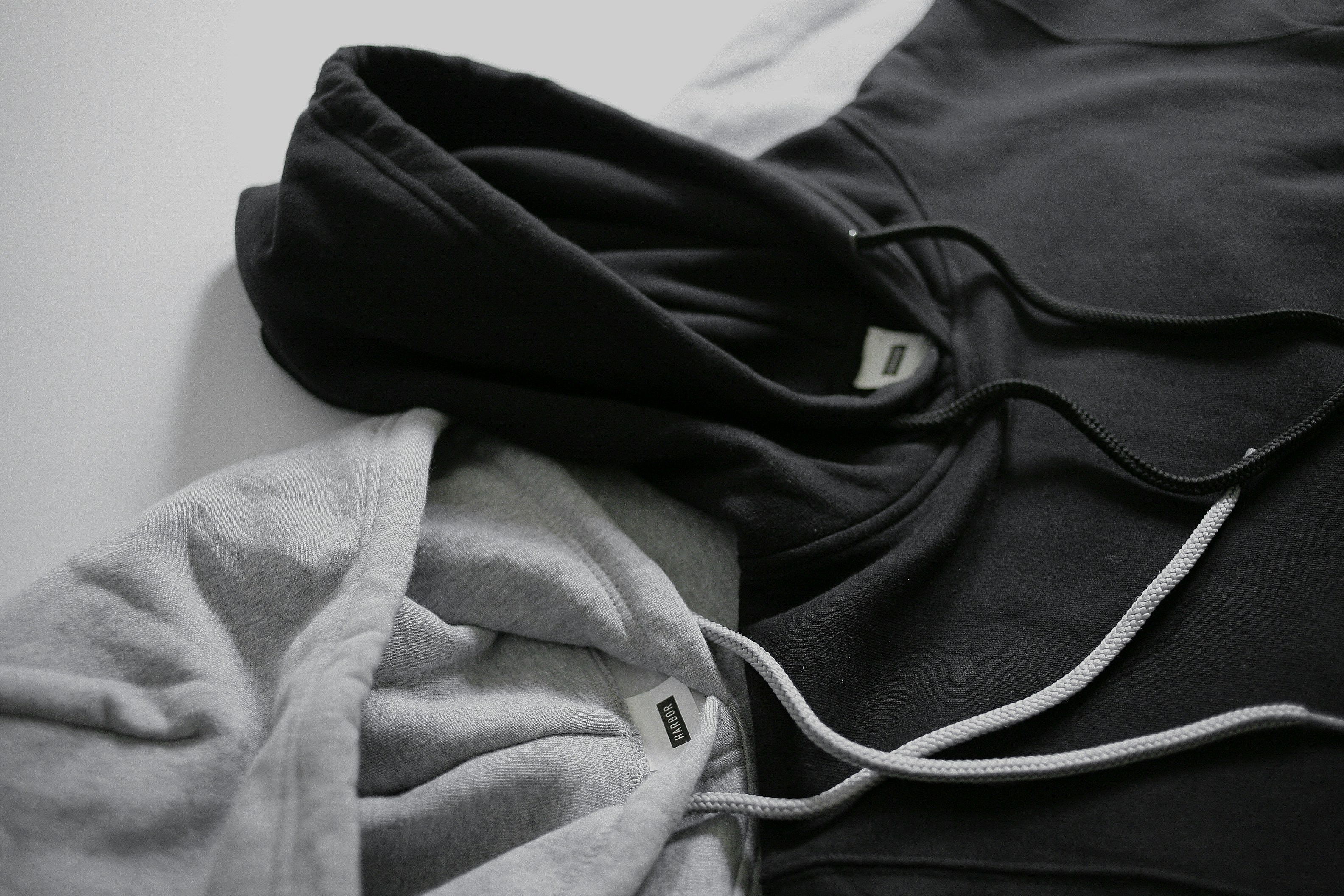 Showcasing a heavyweight cotton hoodie with fine stitching details.
Specialization in High-Weight Fabrics and Unique Fits
The foundation of any premium streetwear piece is the fabric. A defining characteristic of quality streetwear is the use of heavyweight cotton, which provides a structured silhouette and a substantial, durable feel that customers associate with luxury. Chinese manufacturers excel in sourcing and working with these materials, from dense French terry to heavyweight jerseys with GSM (grams per square meter) ratings of 400 and above. For hoodies and sweats, this heavy fabric allows for the creation of the oversized, boxy fits that are central to the streetwear aesthetic, ensuring the garment drapes correctly and holds its shape over time. Their pattern-making expertise ensures that these unique fits are executed with precision, maintaining consistent proportions across all sizes.
Advanced Washing and Finishing Techniques
The final look and feel of a garment are often determined by the post-production treatments it receives. Chinese factories are industry leaders in advanced washing and finishing, offering a vast menu of techniques that can transform a standard garment into a unique statement piece. These include stone washing, enzyme washing, and acid washing to create a vintage, lived-in feel, as well as silicone washes to enhance softness. Furthermore, advanced processes like decatizing can improve dimensional stability and reduce shrinkage, ensuring the garment maintains its intended fit for life. These techniques are not merely cosmetic; they are integral to achieving the specific texture, drape, and character that distinguish high-end streetwear.
Precision in Streetwear Construction and Details
The true quality of a garment is often found in the details of its construction. Premier Chinese manufacturers understand that durability and a polished finish come from meticulous attention to seams, stitching, and hardware. They employ advanced stitching methods like flatlock and reinforced double-needle seams at stress points to prevent tearing and ensure longevity. The quality of the thread used, the density and backing of embroidery, and the feel of drawcords and aglets are all considered. A well-constructed garment, when turned inside out, should reveal clean seam finishes that prevent fraying, a clear sign of superior craftsmanship.
Driving Innovation with Cutting-Edge Manufacturing Technology
China's manufacturing prowess is continually being enhanced by its investment in and adoption of cutting-edge technology. This commitment to innovation allows brands to push creative boundaries, offering more complex and refined products. Modern technologies like 3D design shorten development cycles, while advanced machinery enables precision and consistency at scale. This technological edge is particularly beneficial for streetwear, where graphic applications and unconventional designs are paramount.
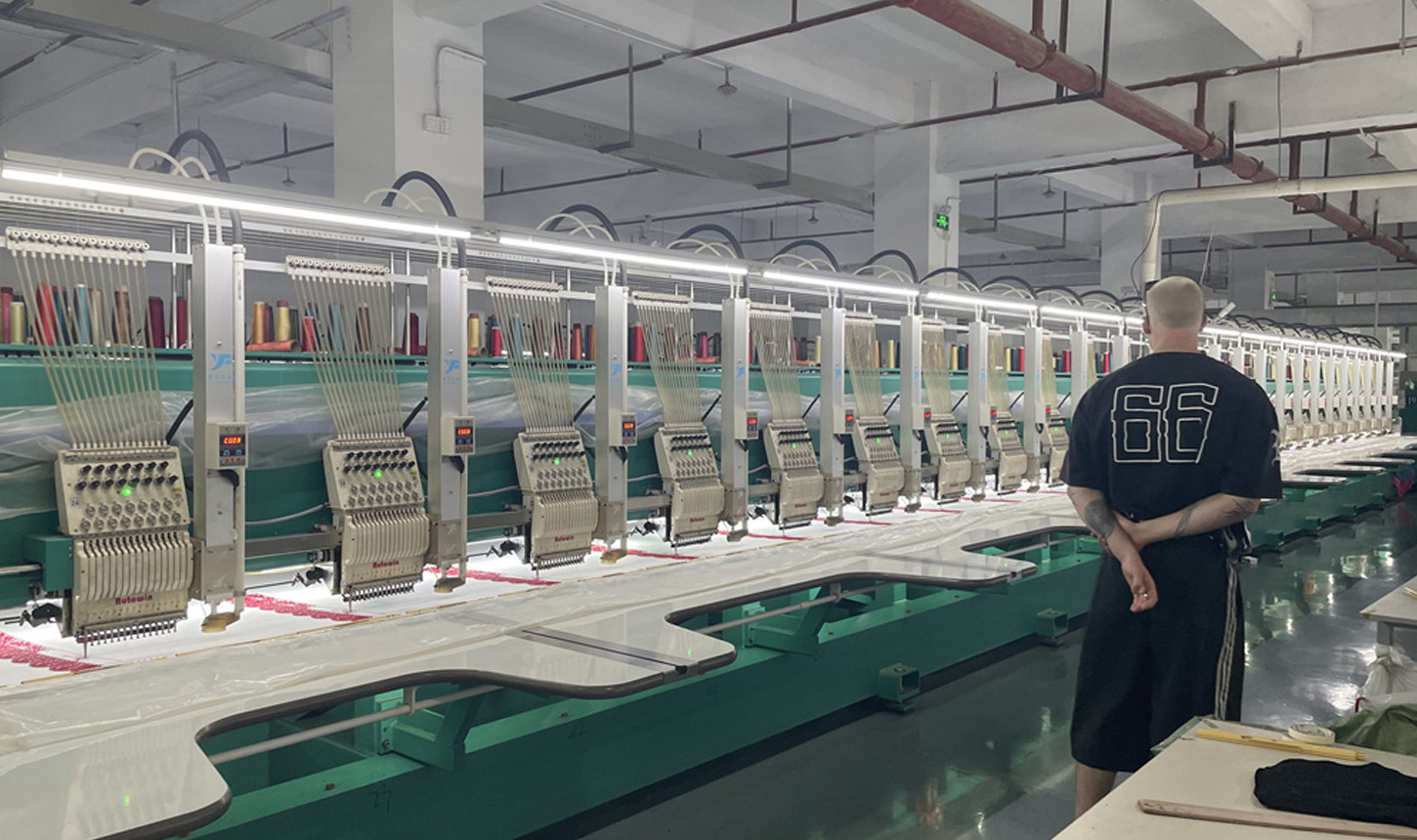 A modern embroidery machine in China creating a complex design.
Diverse Printing and Embroidery Capabilities
Streetwear is a canvas for graphic expression, and Chinese manufacturers provide a vast arsenal of printing and embroidery techniques. They are at the forefront of decoration innovation, mastering complex methods that go far beyond standard screen printing. This includes puff printing for a raised, 3D effect, high-density embroidery for intricate and durable designs, and advanced Direct-to-Garment (DTG) printing for photorealistic graphics with excellent color saturation. Their expertise ensures that prints don't crack or peel and embroidery lays flat without puckering, maintaining the integrity of the design through wear and washing.
Modern Pattern Making and Production Processes
The unique silhouettes of streetwear, such as oversized hoodies and drop-shoulder tees, require expert pattern making. Chinese factories utilize modern digital pattern-making processes to ensure that fit is consistent and proportions are correctly graded across every size. This digital approach allows for rapid adjustments and prototyping, streamlining the development phase. In production, the adoption of industrial internet platforms and smart manufacturing techniques improves efficiency and reduces defect rates, ensuring that the final bulk order matches the approved sample in every detail.
Flexibility and Scalability for Our Brand's Growth
One of the most significant advantages of partnering with a Chinese manufacturer is the flexibility and scalability they offer, which is crucial for both emerging and established brands. They have developed production models that can cater to the needs of a small startup testing the market, as well as ramp up to meet the demands of a brand experiencing rapid growth.
Accommodating Low Minimum Order Quantities (MOQs)
Many brands, especially those just starting, cannot commit to massive order volumes. Recognizing this, numerous modern Chinese manufacturers, particularly those specializing in streetwear, have adapted to offer low Minimum Order Quantities (MOQs). It is not uncommon to find highly capable factories willing to produce as few as 50–100 pieces per style, allowing brands to launch new designs with minimal financial risk. This flexibility is a game-changer, as it enables brands to test more styles, manage inventory effectively, and grow sustainably.
Rapid Sampling and Efficient Turnarounds
In the fast-paced world of fashion, speed to market is critical. Chinese manufacturers are known for their rapid sampling processes and efficient production timelines. Leveraging advanced technology and streamlined workflows, they can often produce initial samples quickly, allowing brands to iterate on designs and move to bulk production faster. This efficiency does not come at the expense of quality; it is a result of a highly organized and experienced production ecosystem. This rapid turnaround capability allows brands to be more responsive to market trends and keep their collections fresh.
Decoding the Qualities of an Exceptional Streetwear Manufacturer In China
Identifying a top-tier manufacturer requires looking beyond flashy websites and low price quotes. An exceptional partner is defined by a deep, almost cultural, understanding of the product they are creating. They must possess a combination of specialized knowledge, comprehensive service offerings, rigorous quality control, and seamless communication. These qualities are the pillars that support a successful and lasting manufacturing relationship.
Deep Knowledge of Streetwear Fabric, Fit, and Subculture
An outstanding streetwear manufacturer doesn't just produce clothing; they understand the meaning behind it. Streetwear is more than fashion; it's a subculture with a distinct language of silhouettes, materials, and graphic references. A great manufacturing partner is fluent in this language. This means they are not just taking orders but acting as a technical and cultural translator for your brand's vision.
Proficiency with Specific Fabric Weights and Silhouettes
A key marker of a capable manufacturer is their expertise in fabric. They should have extensive experience with the heavyweight cottons (e.g., 320gsm to over 400gsm) that give premium hoodies and tees their signature structure and feel. This expertise extends to understanding how different fabric weights and compositions affect the drape and construction of a garment. Furthermore, they must be proficient in creating the specific silhouettes that define streetwear, such as the drop-shoulder, oversized, and boxy fits, ensuring these complex patterns are executed precisely.
Understanding of Streetwear Graphic and Design Trends
Streetwear is visually driven, often referencing music, art, skate culture, and nostalgia. A knowledgeable manufacturer keeps a pulse on these trends. They should be familiar with retro revivals, like 90s hip-hop influences, and understand the nuances of the "Guochao" (national trend) movement in China, which blends traditional symbols with modern aesthetics. This awareness allows them to provide valuable technical input on how to best execute a graphic or design element, ensuring it resonates authentically with the target audience.
Comprehensive OEM/ODM Customization Services
A versatile manufacturer should offer robust customization services to bring a brand's unique vision to life. The two primary models for this are OEM (Original Equipment Manufacturer) and ODM (Original Design Manufacturer). OEM is when a factory produces garments based entirely on the brand's provided tech packs and specifications, offering full creative control. ODM is when the factory provides existing designs that a brand can modify with its own labels and minor adjustments, which is often faster and more cost-efficient.
Ability to Develop Unique Patterns and Prototypes
A truly valuable partner excels in OEM services, specifically the ability to develop custom patterns from scratch. Whether you provide a design sketch, a reference garment, or a detailed tech pack, they should have an in-house team of experienced pattern makers who can translate your concept into a production-ready prototype. This capability is crucial for brands that want to create signature fits and unique silhouettes that differentiate them in a crowded market. This process includes creating the initial pattern, grading it for different sizes, and making adjustments based on sample feedback.
Offering Private Labeling and Exclusive Finishes
Private labeling is a fundamental service where the manufacturer produces garments and finishes them with the brand's own woven labels, hang tags, and custom packaging. Top-tier manufacturers offer this as a standard service, even for low MOQ orders. Beyond basic labeling, they should also provide access to exclusive finishes. This could include developing- a custom garment dye, creating a unique acid wash effect, or applying special treatments to achieve a vintage look and feel, giving your collection a distinct and exclusive identity.
Robust Quality Control and Transparent Production Processes
Consistent quality is the bedrock of a strong brand reputation. An elite manufacturer doesn't leave quality to chance; they integrate it into every stage of the production process. This commitment to quality should be transparent and verifiable, giving you confidence that every unit in your bulk order will meet the same high standard as your approved sample. This is where assessing a manufacturer's Factory Strength becomes critical.
 An inspector performing a quality control check on a streetwear jacket.
Integrated In-House Quality Assurance
The best manufacturers operate a multi-stage quality control system. This process starts with an incoming material inspection to check for fabric defects, color accuracy, and trim quality. It continues with in-line checks at various points on the sewing line to catch errors early. The most critical stage is the final inspection, where a percentage of the finished garments are audited against a comprehensive checklist. This final check should evaluate everything from measurement accuracy and stitch consistency to print placement and hardware function. Some manufacturers even perform a 100% end-of-line inspection, checking every single garment before it's packed.
International Certifications and Adherence to Standards
Reputable manufacturers demonstrate their commitment to quality and ethical production by adhering to internationally recognized standards. Look for certifications like ISO 9001, which indicates a robust quality management system that ensures consistency and continuous improvement. Other important standards include OEKO-TEX, which certifies that textiles are free from harmful substances, and GOTS (Global Organic Textile Standard) for brands focused on sustainability. Adherence to standards like the Acceptable Quality Level (AQL) for inspections is also a key indicator of a professional operation, with AQL 2.5 being the common standard for quality apparel.
Effective Communication and Project Management
Even the most technically proficient factory is a poor partner if communication is difficult. Misunderstandings can lead to costly mistakes and significant delays. Therefore, effective communication and professional project management are non-negotiable qualities.
Fluent English Communication Skills
While Mandarin is the primary language in China, a reliable export-oriented manufacturer will have a dedicated team of project managers and sales staff who are fluent in English. This is crucial for discussing technical specifications, negotiating terms, and resolving issues without the risk of translation errors. While English is often used for technical documents, many daily interactions happen on platforms like WeChat, where clear and fast communication is key. The increasing importance of English in international business in China means that top-tier companies invest in staff with strong language skills to work with global clients.
Timely and Detailed Response Rates
A professional manufacturer will demonstrate their reliability through prompt and detailed communication. They should be responsive to your inquiries, provide clear answers to your questions, and offer proactive updates on the status of your project. Vague responses or long delays in communication are significant red flags. Testing a potential partner's response time and the quality of their answers during the initial inquiry phase can provide valuable insight into the level of service you can expect once you are in production.
Navigating Production Timelines and Costs with Your Streetwear Manufacturer In China
A clear understanding of production timelines and cost structures is fundamental to managing your brand's finances and launch schedule. Working with a manufacturer in China involves several interconnected variables, from Minimum Order Quantities (MOQs) and lead times for sampling and bulk production to the specific factors that drive the final cost per unit. Effectively navigating these elements is key to a profitable and predictable manufacturing process.
Understanding Minimum Order Quantities (MOQs)
The Minimum Order Quantity, or MOQ, is the smallest number of units a factory is willing to produce for a single order. This is not an arbitrary number; it's determined by the economics of production, including the fixed costs of setting up machinery, sourcing raw materials, and efficiently managing labor. In apparel, MOQs are often broken down by style, color, and sometimes size. A factory's MOQ can be a significant barrier for new brands, but the Chinese manufacturing landscape has evolved to offer more flexible options.
Typical MOQs for Premium Streetwear
For premium, cut-and-sew streetwear, MOQs in China can vary widely. Larger, more traditional factories might require anywhere from 300 to 500 pieces per style and color. This is often driven by the minimums set by their own fabric suppliers, who sell textiles in large batches. However, a growing number of specialized streetwear manufacturers have built their business models around catering to emerging and mid-sized brands. These factories often offer much lower MOQs, with many starting at just 50 to 100 pieces per style/color. This allows brands to test new designs without committing to a large inventory.
MOQ Flexibility for Emerging Brands
The key for emerging brands is to find a manufacturer whose MOQ aligns with their business strategy. Many factories now offer flexibility, but it often comes with a trade-off. For example, agreeing to use a factory's in-stock fabric colors can significantly lower the MOQ, as it removes the need for a custom dye lot, which has its own high minimum. While a lower MOQ often results in a higher cost per unit, the reduced upfront investment and lower inventory risk can be a crucial advantage for a new brand. It's important to have a clear discussion about MOQ requirements upfront and understand how they apply to each style, color, and fabric choice.
Key Production Lead Times to Expect
Clothing manufacturer lead times refer to the total time from order confirmation to the receipt of finished goods. This timeline is much more than just the sewing process; it includes critical preparatory stages that many new brands overlook. Planning your launch calendar requires a realistic understanding of each phase of production.
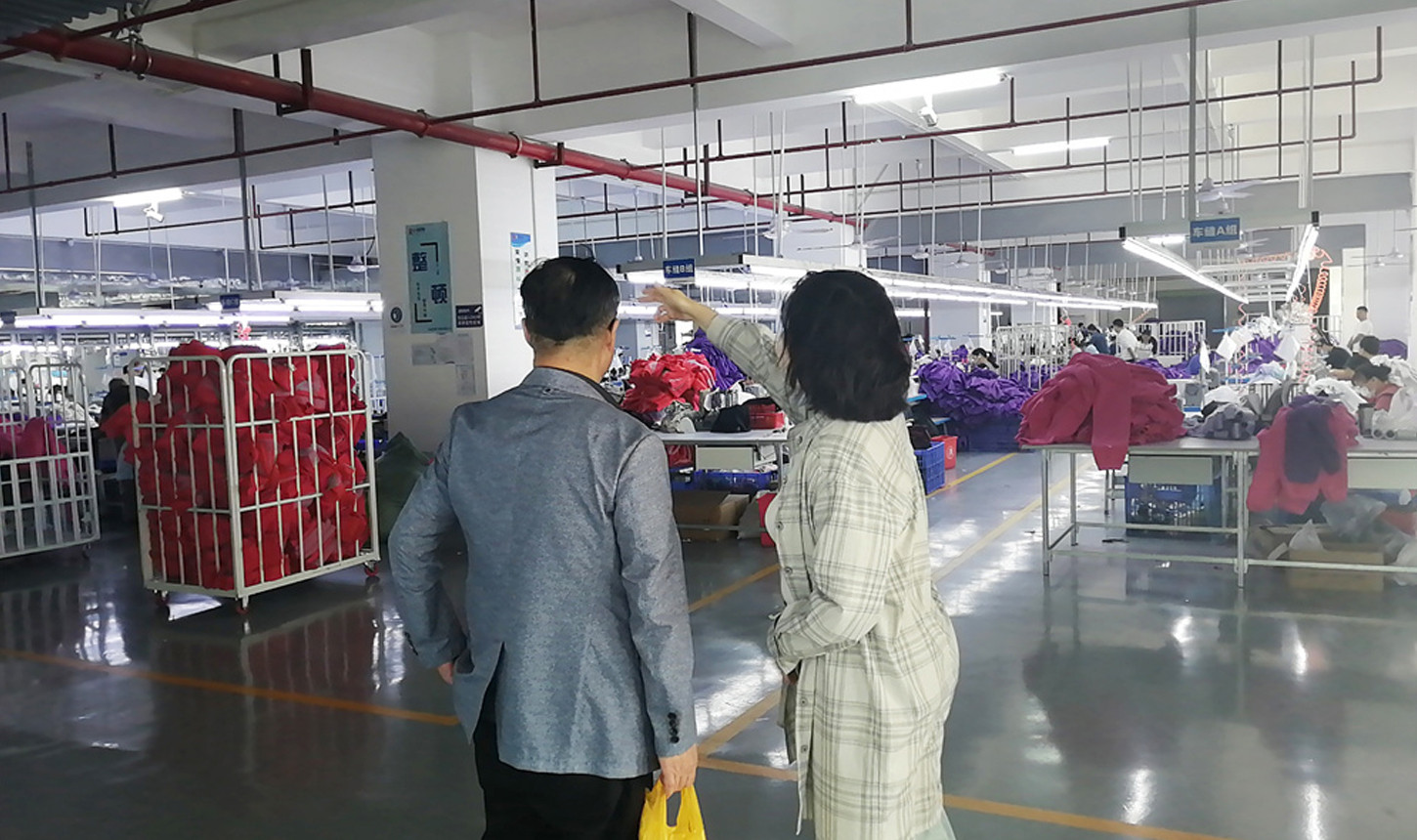 A bustling sewing production line in a Chinese garment factory.
Sample Development Schedule
The sampling process is where your design is turned into a physical product for approval before bulk production begins. This is a multi-step phase that is crucial for getting the fit, construction, and details right. A typical sample development schedule can take anywhere from two to six weeks, depending on the complexity of the garment and the number of revisions needed. The process generally includes:
- Proto Sample (7-15 days): The first physical sample to check the basic design and construction.
- Fit Sample Revisions (3-10 days per round): After trying the proto sample on a fit model, you'll provide feedback for adjustments. Each round of revisions will add to the timeline.
- Pre-Production (PP) Sample: The final sample made with the correct bulk fabric and trims for your final sign-off.
Delays in this stage are common, often caused by incomplete tech packs, slow feedback from the brand, or the need to source custom materials.
Bulk Production Duration
Once the pre-production sample is approved, bulk production can begin. A typical bulk order for streetwear in China takes between 20 and 45 days. This can be broken down into several stages:
- Fabric & Trim Sourcing (if not already done): 5-15 days.
- Cutting: 5-7 days.
- Sewing: 7-20 days, depending on complexity and quantity.
- Finishing (Washing, Printing, etc.): 5-10 days.
- Quality Control & Packing: 2-5 days.
This timeline can be influenced by factors like order size, garment complexity, and the factory's current capacity. It's also critical to account for shipping time, which can range from 5-10 days for air freight to 30-40 days for sea freight.
Primary Cost Drivers in Streetwear Manufacturing
The final cost of your garment is determined by a variety of factors. While many brands focus on negotiating the lowest possible price, a true understanding of the cost structure allows for smarter decision-making that can reduce costs without sacrificing quality. The main cost drivers are fabric, labor (construction complexity), and customization.
Fabric Specifications as a Major Cost Variable
Fabric is almost always the single largest component of a garment's cost, often accounting for 50-70% of the total price. The price per yard or meter is influenced by several factors:
- Fiber Content: Natural fibers like premium cotton generally cost more than synthetics like polyester.
- Fabric Weight (GSM): Heavier fabrics use more raw material and thus cost more. A heavyweight hoodie (400 GSM) will have a significantly higher fabric cost than a mid-weight one (280 GSM).
- Quality and Origin: Specialty or imported fabrics come at a premium compared to standard, locally sourced options.
- Waste: The efficiency of the pattern layout (marker) on the fabric determines the amount of waste. Inefficient layouts increase the amount of fabric needed per garment, driving up the cost.
Impact of Printing, Embroidery, and Finishing Complexity
Customization is at the heart of streetwear, but it is also a significant cost driver. The complexity and type of decoration can have a major impact on the final price per unit.
- Screen Printing: This is a popular and durable option. The cost is driven by the number of colors in the design, as each color requires a separate screen and setup. While there are initial setup fees, the cost per unit decreases significantly with larger order quantities.
- Embroidery: The cost of embroidery is primarily determined by the stitch count—the total number of stitches required to create the design. Larger and more complex designs require more stitches and more machine time, increasing the cost. Unlike screen printing, the number of colors has a minimal impact on the price.
- Specialty Finishes: Garment dyeing, acid washes, and other special treatments require additional labor, chemicals, and processing time, which adds to the overall cost. Similarly, complex construction details like multiple pockets or intricate paneling increase the amount of labor needed, raising the "make" portion of the cost.
Strategic Evaluation Before Partnering with a Streetwear Manufacturer In China
Making the final decision on a manufacturing partner is a high-stakes choice that will shape your brand's future. A strategic evaluation process goes beyond surface-level impressions and delves into the core operational capabilities and reliability of a potential factory. This involves performing rigorous due diligence to verify their claims and actively looking for red flags that could signal future problems. This methodical approach minimizes risk and lays the foundation for a successful, long-term partnership.
Essential Due Diligence and Verification Steps
Before you commit to a bulk production run, you must systematically verify that the manufacturer can meet your standards for quality, materials, and execution. This due diligence process involves several key validation checkpoints, each designed to test a different aspect of the factory's capabilities.
Conducting a Tech Pack Review
The first step is to submit your technical package (tech pack) for review. A tech pack is a detailed blueprint of your garment, including design sketches, measurements, fabric specifications, construction details, and artwork placement. A professional manufacturer will review your tech pack and provide constructive feedback. They might suggest alternative construction methods for better durability, flag potential production issues, or ask clarifying questions. Their response to your tech pack is a test of their expertise and attention to detail.
Ordering and Reviewing a Sealed Sample
The single most important verification step is ordering a physical sample. No matter how good a factory looks on paper, the sample is the tangible proof of their work. When you receive the sample, you must scrutinize it against your tech pack. Check the measurements, the silhouette and fit, the fabric's hand-feel and weight, and the quality of the stitching. This is the time to be incredibly meticulous. Once you are satisfied and approve a sample, it becomes the "sealed sample" or "gold standard"—the benchmark against which your entire bulk production will be measured.
Verifying Fabric Sourcing and Quality
Since fabric is the foundation of your garment, verifying the manufacturer's sourcing capabilities is critical. Ask for detailed specifications of the proposed fabric, including its composition, weight (GSM), and origin. If they claim to use premium heavyweight cotton, request a swatch or lab dip (a small piece of fabric dyed to your specified color) for approval. For brands with a focus on sustainability, ask for documentation or certifications for organic or recycled materials. An unreliable manufacturer might try to substitute a cheaper fabric in bulk production, so locking in the fabric quality at the sample stage is essential.
Inspecting Quality Control Processes and Standards
A reputable manufacturer should be transparent about their quality control (QC) process. Ask them to walk you through their QC system, from incoming material inspection to in-line checks and final audits. Inquire about the QC standards they use, such as the Acceptable Quality Level (AQL). A factory that can clearly explain its multi-stage inspection process and how it handles defects demonstrates a professional commitment to quality. If possible, you can also hire a third-party inspection service in China to conduct an independent audit before the goods are shipped, providing an unbiased assessment of the final product.
Identifying and Steering Clear of Red Flags
Just as important as verifying positive attributes is identifying warning signs that could indicate an unreliable or unprofessional partner. Being aware of these red flags can help you avoid costly mistakes and protect your brand from production disasters.
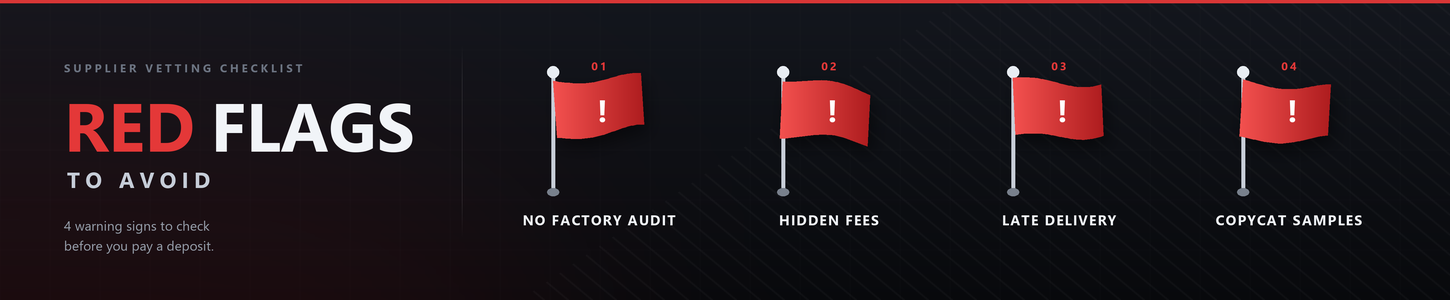 Symbolic representation of red flags to avoid when choosing a manufacturer.
Warning Signs of Unreliable Manufacturers
Unreliable manufacturers often exhibit a pattern of unprofessional behavior. Key warning signs include:
- Unusually Low Prices: If a price seems too good to be true, it probably is. This often indicates corner-cutting on fabric quality, labor standards, or quality control.
- Lack of Specialization: A factory that claims to be an expert in everything from baby clothes to technical outerwear is likely a master of none. Look for manufacturers who specialize in streetwear or your specific product category.
- Hesitation to Provide Samples: Any reluctance to create a sample, or charging an exorbitant price for one, is a major red flag. It suggests a lack of confidence in their own work.
- No Verifiable Track Record: A legitimate manufacturer should be able to provide references, show examples of past work, or have a verifiable business registration and address. Be wary of entities that seem to exist only as a vague online presence.
Avoiding Factories with Poor Communication or Vague Responses
Poor communication is one of the most significant predictors of future problems. If a potential partner is slow to respond to emails, evades direct questions, or provides vague, non-committal answers, it's a strong indicator of how they will operate once they have your deposit. Clear, timely, and precise communication is the bedrock of a smooth production process. A factory that cannot communicate effectively during the sales process is unlikely to improve during the stress of production. Always prioritize partners who demonstrate professionalism and transparency from the very first interaction.
Exploring Key Manufacturing Hubs for Your Streetwear Manufacturer In China
China's vast manufacturing landscape is not uniform; it's a collection of specialized industrial clusters, each with its own unique strengths, expertise, and ecosystems. For streetwear brands, strategically selecting a manufacturer in the right region can dramatically impact production efficiency, cost, and the final quality of the garment. The most prominent hubs for apparel—Guangdong and Zhejiang provinces—host cities that have become global centers for specific types of production. Understanding the differences between these key hubs is essential for aligning your brand's needs with the right manufacturing partner.
Dongguan: The Streetwear Manufacturing Capital
Located in the powerful Pearl River Delta, Dongguan, and specifically its town of Humen, has earned a reputation as the undisputed capital of streetwear manufacturing in China. For decades, this region has been at the epicenter of garment production for global brands, fostering a dense ecosystem of factories, suppliers, and skilled labor with unparalleled expertise in the specific demands of streetwear.
Showcasing an intricately embroidered jacket, a specialty of Dongguan manufacturers.
Concentration of Skilled Workshops and Suppliers
Dongguan's strength lies in its incredible concentration of specialized resources. The city is home to thousands of garment factories, ranging from large-scale enterprises to small, nimble workshops. This creates a hyper-competitive and highly efficient environment. The entire supply chain is integrated within a small radius, giving manufacturers quick access to fabric mills, trim suppliers, and advanced finishing houses for printing, embroidery, and washing. This dense network allows for rapid sampling and flexible production, enabling factories to respond quickly to trends.
Specialization in Heavy-Weight and Oversized Garments
Dongguan is particularly renowned for its specialization in the core products of streetwear: heavyweight and oversized garments. Factories in this region have deep experience in sourcing and handling high-GSM fabrics, such as 400-600gsm French terry and fleece, which are essential for creating premium hoodies and sweatshirts. Their pattern makers and sewing technicians are masters of constructing the boxy, drop-shoulder silhouettes that define the streetwear aesthetic, ensuring a perfect fit and drape. This specialization makes Dongguan the go-to destination for brands that prioritize the authentic feel and structure of high-quality streetwear.
Guangzhou: A Hub for Innovation and Logistics
Just a short distance from Dongguan, Guangzhou serves as another critical node in the Pearl River Delta's manufacturing ecosystem. While it also has a strong presence in garment production, Guangzhou's key strengths lie in its massive fabric markets, its role as a center for innovation in technical materials, and its world-class logistics infrastructure, making it a gateway for international trade.
Strengths in Advanced Technical Fabric Development
Guangzhou is home to the Zhongda Fabric Market, one of the largest and most comprehensive textile markets in Asia. This gives manufacturers in and around the city unparalleled access to a vast array of materials, from basic cottons to advanced technical fabrics. This makes Guangzhou an ideal hub for brands looking to innovate with unique or performance-oriented textiles, such as moisture-wicking blends, sustainable materials, or other specialized fabrics. Many vertically integrated mills in the area are involved in the entire process, from spinning and weaving to dyeing and finishing.
Expertise in International Trade and World-Class Logistics
Guangzhou's historical role as a major trade port has endowed it with a sophisticated logistics and export infrastructure. The city's proximity to major ports like Nansha, along with its efficient customs clearance processes, facilitates smooth and timely international shipping. Manufacturers in Guangzhou are highly experienced in navigating the complexities of global trade, making the export process seamless for international brands. This expertise, combined with its direct access to manufacturing, makes it a highly efficient choice for sourcing and exporting finished garments.
Hangzhou: An Emerging Center for Quality and Efficiency
Located in Zhejiang province, Hangzhou has rapidly emerged as a key player in China's apparel manufacturing scene, particularly for premium and e-commerce-focused brands. While traditionally known for high-end womenswear and silks, the city has leveraged its unique advantages to become a competitive center for quality-conscious streetwear production as well.
Proximity to Premium Textile Mills and Skilled Labor
Hangzhou's strategic location provides it with a significant advantage in fabric sourcing. It is situated close to Shaoxing, a global center for woven fabrics and silk, and Tongxiang, a capital for knitwear and cashmere. This proximity to high-quality textile mills allows manufacturers to source premium materials quickly and efficiently. The region also boasts a highly skilled workforce, with a long history of craftsmanship in the textile industry, contributing to a lower defect rate and higher overall quality.
Advantages in E-commerce Infrastructure and Lower Defect Rates
As the home of e-commerce giant Alibaba, Hangzhou possesses the most sophisticated e-commerce infrastructure in China, and arguably the world. Manufacturers in Hangzhou are deeply integrated into this digital ecosystem, making them ideal partners for direct-to-consumer (DTC) brands that rely on speed, agility, and streamlined online operations. The city is a designated cross-border e-commerce pilot zone, which fosters innovations in logistics, customs, and digital trade. This environment has bred a new generation of manufacturers who excel at rapid turnarounds and supporting the fast-paced nature of online retail.
Frequently Asked Questions (FAQs)
Q: What is the typical MOQ for custom streetwear in China?
A: MOQs can vary significantly. While large factories often require 300-500 pieces per style/color, many specialized streetwear manufacturers in hubs like Dongguan offer flexible MOQs starting from 50-100 pieces, which is ideal for emerging brands.
Q: How long does production take from start to finish?
A: A standard timeline includes 2-6 weeks for sample development and 20-45 days for bulk production. This can be influenced by garment complexity, fabric availability, and factory capacity. Including shipping, brands should plan for a total lead time of 2-4 months.
Q: What are the main costs in streetwear manufacturing?
A: The primary cost drivers are fabric (often 50-70% of the cost), labor (determined by design complexity), and customization (printing, embroidery, washing). Heavyweight fabrics and complex decorations will increase the unit cost.
Q: What is the difference between OEM and ODM manufacturing?
A: OEM (Original Equipment Manufacturer) is when the factory produces garments based on your unique designs and tech packs. ODM (Original Design Manufacturer) is when you choose from the factory's existing designs and add your own branding. OEM offers full creative control, while ODM is typically faster and more cost-effective.
Q: Which manufacturing hub is best for my brand?
A: It depends on your product. Dongguan is the top choice for classic, heavyweight streetwear like hoodies and tees. Guangzhou is excellent for brands focusing on fabric innovation or fast-fashion speed. Hangzhou is a strong contender for premium brands and those with a strong e-commerce focus, offering high quality and digital integration.
By diligently applying these strategies and thoroughly evaluating potential partners, our brand can confidently navigate the vast manufacturing landscape and select the ideal Streetwear Manufacturer In China. This involves a deep dive into their specific expertise, a rigorous inspection of their quality control measures, and a clear understanding of their production capabilities in relation to your brand's unique needs.
Making the right choice for our manufacturing partner is a strategic decision that will empower our brand to consistently produce high-quality, authentic streetwear that truly stands out in the dynamic global market. A strong partnership is not merely a transaction; it is a collaboration that builds a resilient supply chain, fosters innovation, and ultimately translates a creative vision into tangible, market-leading products.