
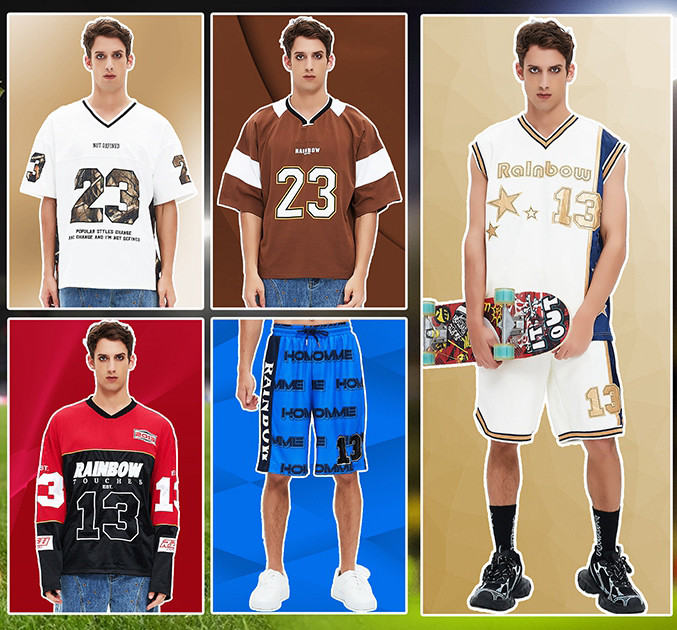
What is Custom Streetwear? Your Essential Guide to Personalized Apparel
As someone immersed in the ever-evolving world of fashion, I understand the critical role customization plays, especially in the dynamic realm of streetwear. Streetwear has transcended its origins, becoming a global cultural force where individuality and unique expression are paramount. This comprehensive guide will equip you with the essential knowledge to navigate the landscape of custom streetwear, from its fundamental concepts to selecting the ideal printing techniques for your personalized apparel.
Key Takeaways
- Streetwear is Self-Expression: At its core, streetwear is more than just clothing; it's a cultural movement rooted in self-expression, individuality, and rebellion against traditional fashion norms. Its origins in hip-hop, skate, and surf cultures have cemented its identity as a medium for personal and social commentary.
- Customization is Essential: The very soul of streetwear is uniqueness. Customization allows brands to build a participatory culture, turning consumers into creators who tell their own stories through apparel. This fosters authentic brand loyalty beyond fleeting trends and empowers individuals to showcase their identity. For brands, it's a way to stand out in a saturated market and build a deeply connected community.
- Printing Method Matters: The choice of printing technique—such as Screen Printing, DTG, or Heat Transfer—is a critical decision that impacts design vibrancy, durability, feel, and cost. There is no single "best" method; the right choice depends on factors like design complexity, fabric type, order volume, and desired finish.
- Factor-Based Decision Making: When choosing a printing method, you must consider:
- Design & Color: Screen printing is cost-effective for simple graphics with few colors in bulk, while DTG excels at photorealistic and multi-color designs.
- Fabric: The material dictates the method. DTG works best on 100% cotton, while dye-sublimation is exclusively for polyester.
- Volume: Screen printing's setup costs make it ideal for large runs, whereas DTG and DTF are more economical for small batches or one-offs.
- Durability & Feel: Embroidery offers supreme durability and a premium, textured feel. DTG prints feel soft as the ink soaks into the fabric, while screen prints are thicker and more vibrant on the surface.
- Print-on-Demand as a Gateway: Print-on-Demand (POD) is a game-changing fulfillment model for new and established streetwear brands. It allows for launching a diverse product line with zero upfront inventory costs, minimizing financial risk and enabling creative experimentation. This agile approach is perfect for testing designs, tapping into trends, and scaling a business sustainably.
Understanding Custom Streetwear: Defining Your Brand
Streetwear is not merely a category of clothing; it's a cultural dialogue expressed through apparel. It began as a counter-cultural movement and has since exploded into a dominant force in global fashion, blurring the lines between the runway and the street. To create custom streetwear, one must first understand its core appeal and the indispensable role that personalization plays within it.
The Streetwear Appeal
The essence of streetwear's appeal lies in its potent blend of culture, community, and comfort. Born from the convergence of New York's hip-hop scene and California's surf-skate culture in the late 1970s and 1980s, it has always been a form of grassroots self-expression. Pioneers like Shawn Stussy began by printing logos on t-shirts, which quickly became symbols of a burgeoning subculture. This DIY aesthetic, combined with influences from punk, new wave, and workwear, created a unique style that was both authentic and rebellious.
The popularity of streetwear is fueled by several key factors:
- Comfort and Versatility: With roots in sportswear and skate culture, streetwear prioritizes comfortable, functional clothing like hoodies, graphic tees, and sneakers that don't restrict movement. These pieces are versatile enough to be worn in nearly any casual setting.
- Exclusivity and Hype: Many brands utilize a "drop culture" strategy, releasing limited-edition items in small quantities to create scarcity and intense demand. This focus on exclusivity makes owning a piece feel like being part of an inner circle.
- Community and Identity: Streetwear is a lifestyle that connects people. Wearing a certain brand or style signals membership in a community and communicates shared values, interests, and cultural knowledge. It's a way to express individuality while also belonging to a larger movement.
- A Canvas for Self-Expression: More than anything, streetwear is a powerful medium for communicating identity. It allows individuals to showcase their personality, creativity, and even their social or political beliefs through the clothes they wear.

Why Streetwear Demands Customization
In a fashion genre built on individuality, customization isn't just an option—it's the foundation. While mainstream fashion often promotes conformity, streetwear champions the unique. Personalization is the tool that allows both brands and consumers to carve out their own space in this vibrant landscape.
Fashion is increasingly seen as an "instant language," a way to present yourself to the world. Customization transforms clothing from a simple product into a personal statement and a form of storytelling. For the wearer, a custom piece is a direct reflection of their identity, values, and creative spirit. This act of personalizing apparel empowers an individual to move beyond being a passive consumer and become an active creator of their own style.
For brands, customization is a powerful strategy to build a truly engaged community. In a market saturated with countless brands, offering personalized options creates a deeper connection with the audience. It turns a simple transaction into a collaborative experience, fostering a sense of loyalty rooted in participation rather than just hype. Brands that empower their fans to co-create and express themselves are the ones that build lasting cultural relevance. This approach is not just about aesthetics; it's a business model that strengthens a brand's position by fostering innovation and deeper consumer engagement. Many brands find success working with an OEM Streetwear Manufacturer to develop unique and fully customized product lines that capture their specific vision.
Choosing Printing Techniques for Your Custom Streetwear
Once your brand identity is defined and your designs are ready, the next critical step is selecting the right printing method. This technical choice will directly influence the look, feel, durability, and cost of your apparel. The method you choose can be the difference between a garment that becomes a beloved staple and one that fails to make an impact. There are numerous techniques available, each with its own set of strengths and weaknesses.
Key Factors for Your Apparel
Before diving into the popular methods, it's essential to evaluate your project's specific needs. There is no one-size-fits-all solution, and the ideal method depends on a combination of factors.
- Design Complexity and Color: How detailed is your artwork? Does it feature intricate lines, gradients, or photorealistic images? Or is it a simple logo with a few solid colors? The number of colors can dramatically affect the cost of certain methods, like screen printing.
- Fabric Type: What material are you printing on? DTG printing, for example, achieves its best results on 100% cotton, while dye-sublimation is designed exclusively for polyester and other synthetic fabrics. The fabric's color—light versus dark—also plays a crucial role in the printing process and final appearance.
- Order Volume: Are you producing a small, limited-edition drop of 10-20 pieces, or a large run of 500+ shirts? Some methods, like screen printing, have high initial setup costs but become very cost-effective at scale. Others, like DTG, have no setup fees, making them economical for single items or small batches.
- Durability and "Hand Feel": How do you want the print to feel on the shirt, and how well should it hold up in the wash? Embroidery offers exceptional longevity and a premium, textured feel. DTG prints are soft and breathable because the ink soaks into the fibers, whereas screen prints sit on top of the fabric, creating a thicker, more opaque layer with a different hand feel.
- Budget: What is your cost per item? Setup fees, the number of colors, and order quantity all contribute to the final price. Balancing quality with cost is a key consideration for any brand.
Popular Methods
Understanding the primary printing methods will empower you to make an informed decision that aligns with your creative vision and business goals. The most common techniques include screen printing, Direct-to-Garment (DTG), heat transfer, and embroidery.
Screen Printing (Silkscreening)
This is the classic, time-tested method for t-shirt printing. It involves pushing ink through a mesh screen (stencil) onto the fabric. A separate screen is required for each color in the design, which are applied layer by layer.
- Best For: Large orders (over 20-50+ units), simple designs with a limited number of solid colors, and achieving vibrant colors on dark garments.
- Pros: Highly durable and long-lasting prints, excellent color vibrancy, and very cost-effective for bulk orders.
- Cons: High initial setup costs, not economical for small batches or single items, and less suitable for photorealistic images or designs with many colors and gradients.
Direct-to-Garment (DTG) Printing
DTG printing functions much like a standard inkjet printer, but it applies water-based inks directly onto the fabric. The ink soaks into the garment's fibers, resulting in a very soft feel.
- Best For: Complex, multi-color designs, photorealistic images, small batches, and one-off prints.
- Pros: No setup costs, prints with unlimited colors and fine detail, produces a soft-hand feel, and allows for easy design changes between prints.
- Cons: Works best on 100% cotton, less cost-effective for large runs, and the printing process is slower than screen printing.
Heat Transfer Printing (including DTF)
This broad category involves printing a design onto a special transfer material and then applying it to the garment using a heat press. A modern and increasingly popular evolution is Direct-to-Film (DTF), where designs are printed onto a special film, coated with an adhesive, and then heat-pressed onto the fabric.
- Best For: DTF is incredibly versatile and works on a wide range of fabrics (cotton, polyester, blends), making it great for small to medium runs with full-color designs. Traditional vinyl transfers are good for simple names and numbers.
- Pros: DTF offers vibrant, detailed prints on almost any fabric, is durable, and combines the flexibility of digital printing with the versatility of a transfer.
- Cons: The print sits on top of the fabric, which can sometimes result in a less breathable or "plastic-like" feel compared to DTG. Durability can vary depending on the type of transfer used.
Embroidery
Instead of ink, embroidery uses thread stitched directly into the fabric to create a design. This method provides a textured, three-dimensional, and highly professional look.
- Best For: Logos, small text, and creating a premium, high-end product. It works exceptionally well on heavier garments like polos, hats, and hoodies.
- Pros: Extremely durable (often outlasts the garment itself), adds significant perceived value, and provides a professional, high-quality finish.
- Cons: Not suitable for photorealistic images or large, complex designs. The cost is based on stitch count, so larger designs can become expensive.
Here is a summary table to help you compare these popular methods:
| Feature | Screen Printing | Direct-to-Garment (DTG) | Direct-to-Film (DTF) | Embroidery |
|---|---|---|---|---|
| Best For | Bulk orders, simple designs | Detailed, full-color designs | Versatile fabrics, full color | Logos, premium branding |
| Design Complexity | Low (fewer colors better) | High (unlimited colors) | High (unlimited colors) | Low to Medium |
| Fabric | Cotton, blends | Best on 100% Cotton | Cotton, Polyester, Blends | Most fabrics, esp. heavier |
| Feel | Thicker layer of ink | Soft, breathable | Smooth film layer | Textured, raised |
| Durability | Very High | Good | High | Excellent |
| Cost-Effectiveness | Best for large volume | Best for small volume/one-offs | Good for small-medium volume | Based on stitch count |
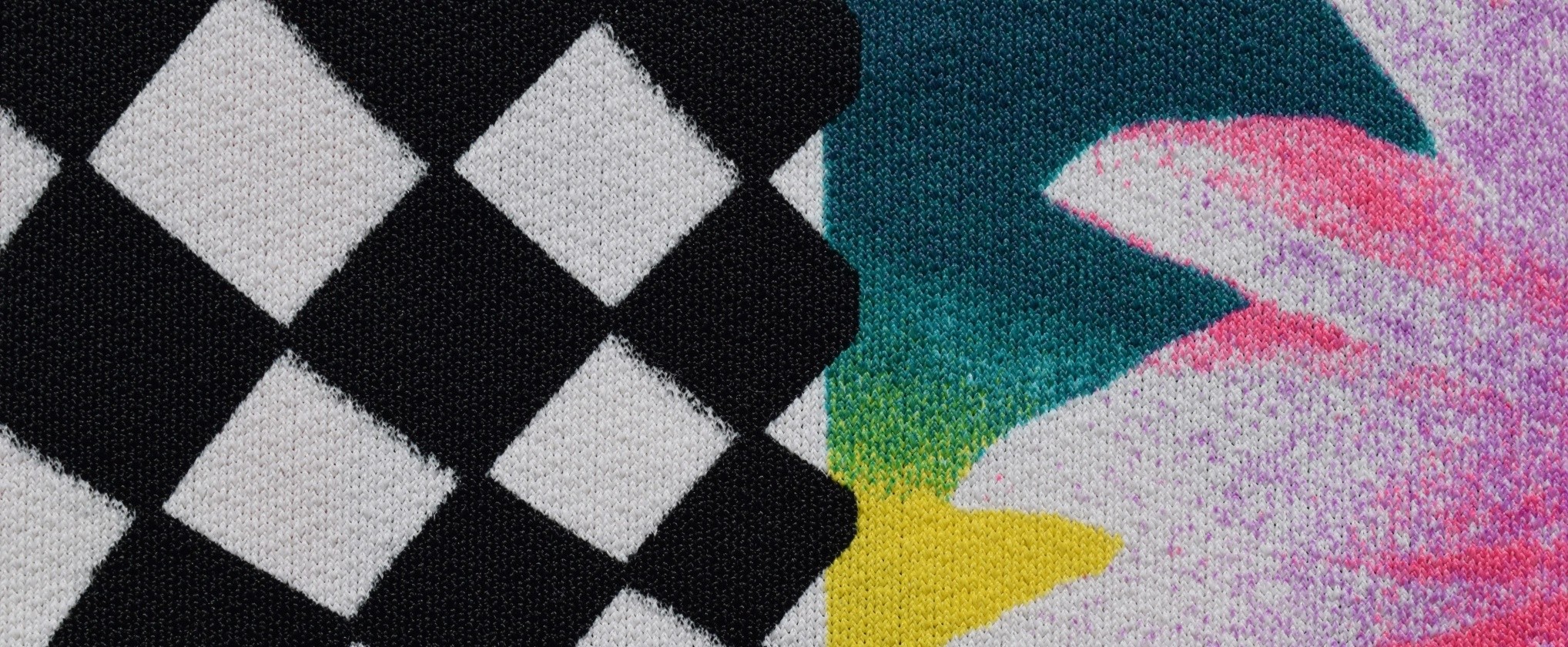
Streamlining with Print-on-Demand
For many entrepreneurs, the financial risk and logistical challenges of bulk manufacturing are significant barriers to entry. This is where Print-on-Demand (POD) revolutionizes the custom streetwear game. POD is a fulfillment model where products are only printed after a customer places an order. You partner with a third-party supplier that handles everything from printing to packaging and shipping.
Benefits of Print-on-Demand:
- Low to Zero Upfront Cost: This is the biggest advantage. You don't need to invest thousands in inventory, which eliminates the financial risk of unsold stock. You only pay for what you sell.
- No Inventory Management: Say goodbye to storing, tracking, and managing boxes of apparel. The POD provider handles all logistics.
- Creative Freedom & Experimentation: POD allows you to test countless designs and product types without any risk. You can respond to trends instantly, offer limited-edition drops, and keep your product line fresh and exciting.
- Scalability: The model scales with your brand. Whether you sell one shirt or a thousand, your POD partner manages the fulfillment, allowing you to focus on design and marketing.
- Sustainability: By producing items only when ordered, POD significantly reduces the waste associated with overproduction, a common problem in the fashion industry.
POD is an ideal entry point for new streetwear brands. It provides the agility to innovate and the financial freedom to build a brand from the ground up, focusing on what truly matters: creating a unique voice and connecting with your community.
Frequently Asked Questions (FAQ)
1. What is the fundamental difference between streetwear and fast fashion? Streetwear is fundamentally a culture-driven movement focused on self-expression, authenticity, and community. It often emphasizes high-quality materials, timelessness, and exclusivity through limited drops. Fast fashion, conversely, is a business model focused on rapidly producing inexpensive clothing that mimics high-fashion trends, often prioritizing low cost and speed over quality, durability, and ethical production. Streetwear is about identity; fast fashion is about transient trends.
2. How much does it cost to start a custom streetwear brand? The cost can vary dramatically. A traditional approach involving bulk production of a few designs could cost several thousand dollars for inventory, plus costs for design, website development, and marketing. However, by using a Print-on-Demand (POD) model, the startup costs can be incredibly low. With POD, your primary expenses shift to design software, e-commerce platform fees (like Shopify), and marketing, as you don't pay for the product until a customer buys it. This could bring the initial investment down to just a few hundred dollars.
3. What are the best blank garments to use for a premium streetwear brand? For a premium feel, focus on heavyweight cotton t-shirts (6.5 oz or higher), fleece-lined hoodies made from cotton/poly blends, and well-constructed jackets. Look for details like drop shoulders, oversized fits, and high-quality hardware (zippers, drawstrings). The quality of the blank garment is crucial for brand perception. Brands that prioritize superior materials and construction build a reputation for quality that customers are willing to pay for.
4. How do I protect my brand and designs? Once you have a unique brand name and logo, you should consider legally protecting them. Start by researching to ensure your name and logo aren't already in use. You can then file for a trademark, which gives you exclusive rights to use that branding for your goods. For specific graphic designs, you hold the copyright as soon as you create them, but formally registering the copyright with your country's intellectual property office provides stronger legal protection against infringement.
5. How can I find a reliable partner for production? Finding the right partner is key to your brand's success. If you're looking for full creative control and unique garment construction, you'll need an OEM Streetwear Manufacturer. Research manufacturers that specialize in streetwear, check their minimum order quantities (MOQs), and always order samples to verify quality before committing to bulk production. For an easier start, using a reputable Print-on-Demand service can be an excellent choice. Platforms like Printful or Printify are popular, but it's important to test their product quality and print results. If you have specific needs or want to discuss a custom project, feel free to Contact Us to explore how our expertise can help bring your vision to life.
In summary, embarking on your custom streetwear journey requires a clear vision of your brand identity and a strategic understanding of printing techniques. By matching the right method to your design, fabric, and volume, you can effectively bring your unique apparel to life and make a memorable impact. By leveraging modern manufacturing solutions, you can build a brand that is both artistically authentic and operationally agile. For more on our capabilities and philosophy, you can learn more about Us and our deep experience in the apparel industry. My advice: utilize resources like Print-on-Demand to innovate and iterate, ensuring your custom streetwear consistently reflects quality and originality in a competitive landscape.